

Shazam - Mobile Application
Shazam is used to quickly identify songs, but the experience starts and ends there. While users rely on the app to identify music in the moment, there is little to no support for revisiting those moments.
Duration: 4 weeks
Team: Tussanee Limthaveemongkol, Izaac Seymour, Vivian San, Vernesha Jones, and Tamara Grant
Role: UX Designer - I focused heavily on prototyping and shaping the core flow, helping turn our ideas into something tangible.
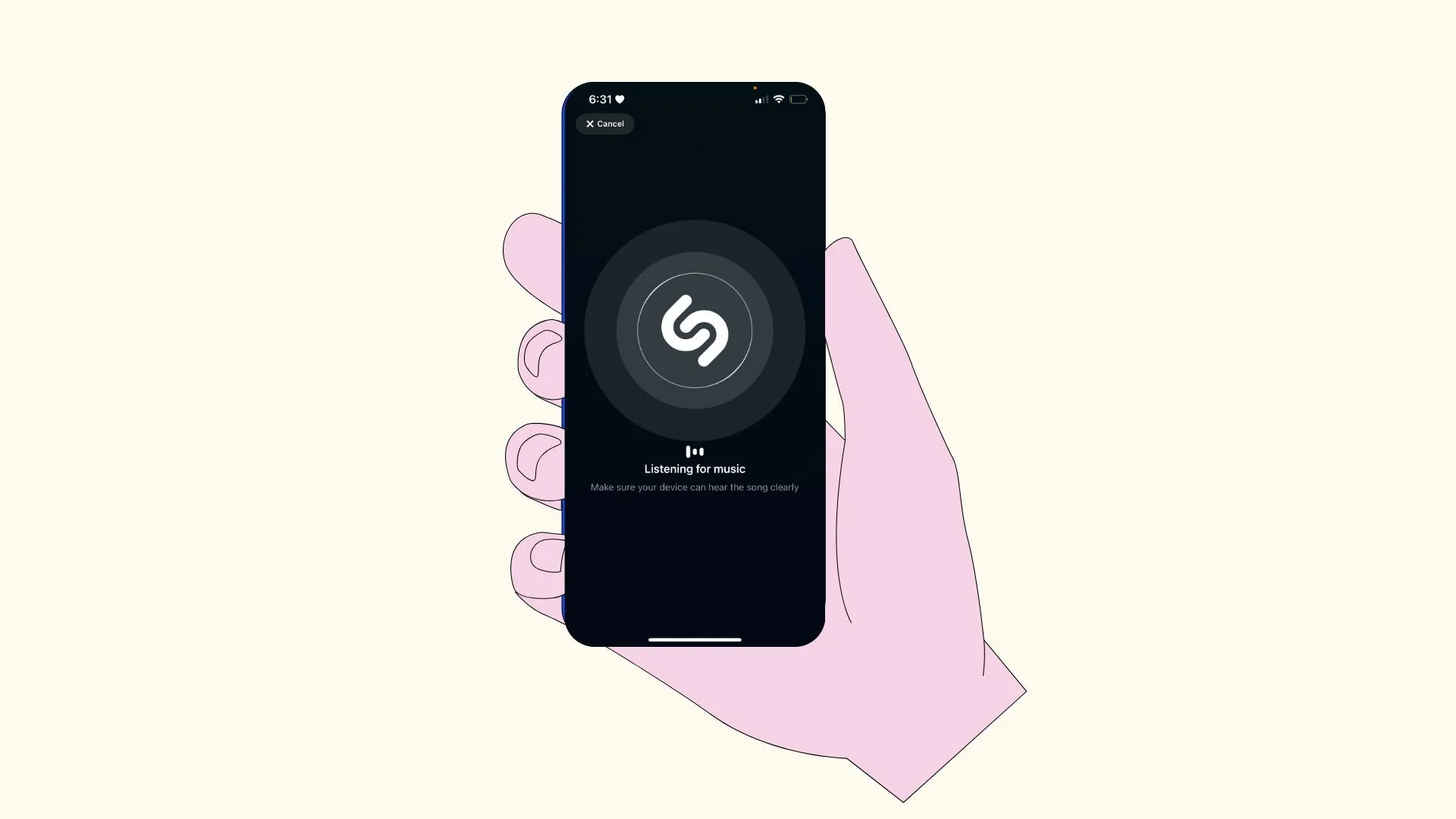
This project explores how Shazam could evolve from a transactional tool into a more human experience to support deep discovery without changing its core purpose
The Gap
Users lack a meaningful way to revisit when & why they Shazam’d a song
There is no human-to-human discovery, despite music being deeply social
Users identify songs, but don’t always form lasting connections with them. Songs are saved, but the moment behind them is lost
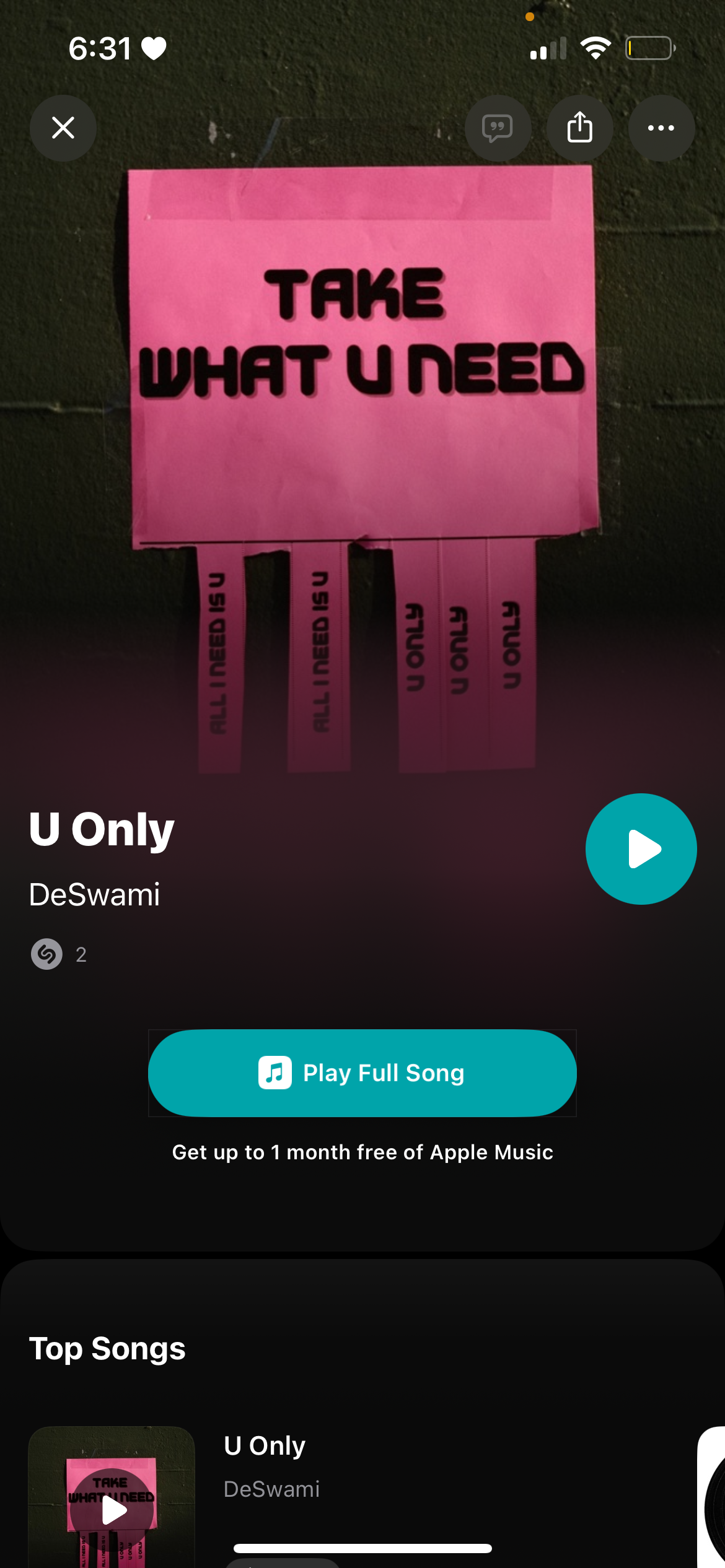
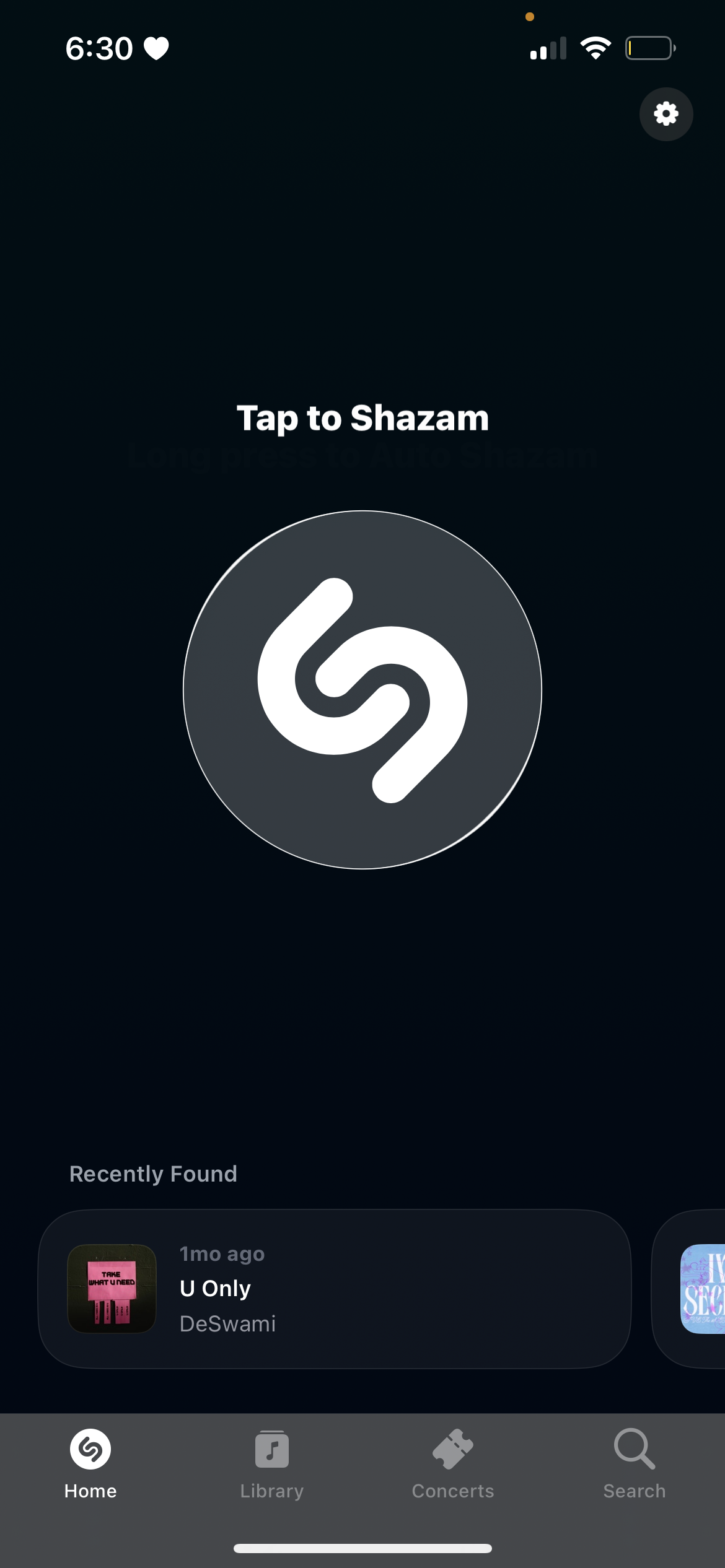
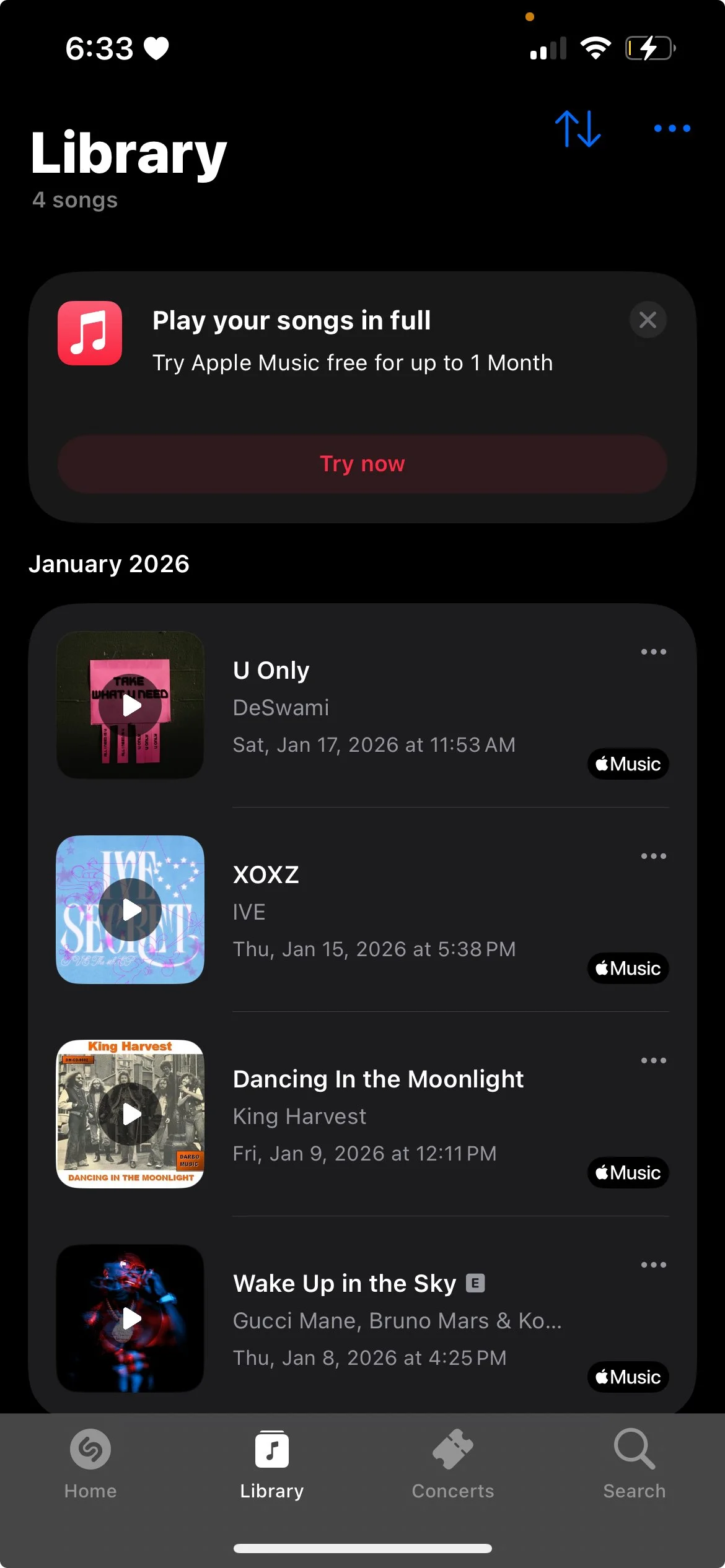
We talked to people who use Shazam often and listened to how it actually fits into their lives.
We focused on:
When do people reach for Shazam?
What do they do after a song is found?
What does that moment mean to them emotionally?
“I usually find the song I am looking for on Shazam, then listen to it on Spotify”
“Sometimes I can’t remember the song I’m looking for, but I remember where I heard the song from”
“I find most of my favorite songs when I’m chilling with my friends and they play it for me”
How Do People Discover Music In Real Life?


-
People don’t just remember a song, they remember where they heard it - in a car ride, a cafe, a moment with someone. Music and places are often tied together emotionally
-
Other streaming apps that rely heavily on algorithms can feel like an echo chamber. People shared that some of the best discoveries happen more naturally through other people
-
Having a space where there is a history of listens feels more like a list than a collection of memories
Music discovery is usually tied to people, places, and memories
Takeaways:
Let’s not fix what’s not broken
Shazam does not need to become another streaming app like Apple Music or Spotify. Its strength is capturing the moment of discovery.
Looking at How Other Apps Handle Connection
To understand how music discovery could feel more human, we looked at how other apps help people connect, not just with content but with each other.
-
Spotify Blend shows how music can become a shared experience by combining two people’s tastes into one space. By doing so, it encourages curiosity and connection.
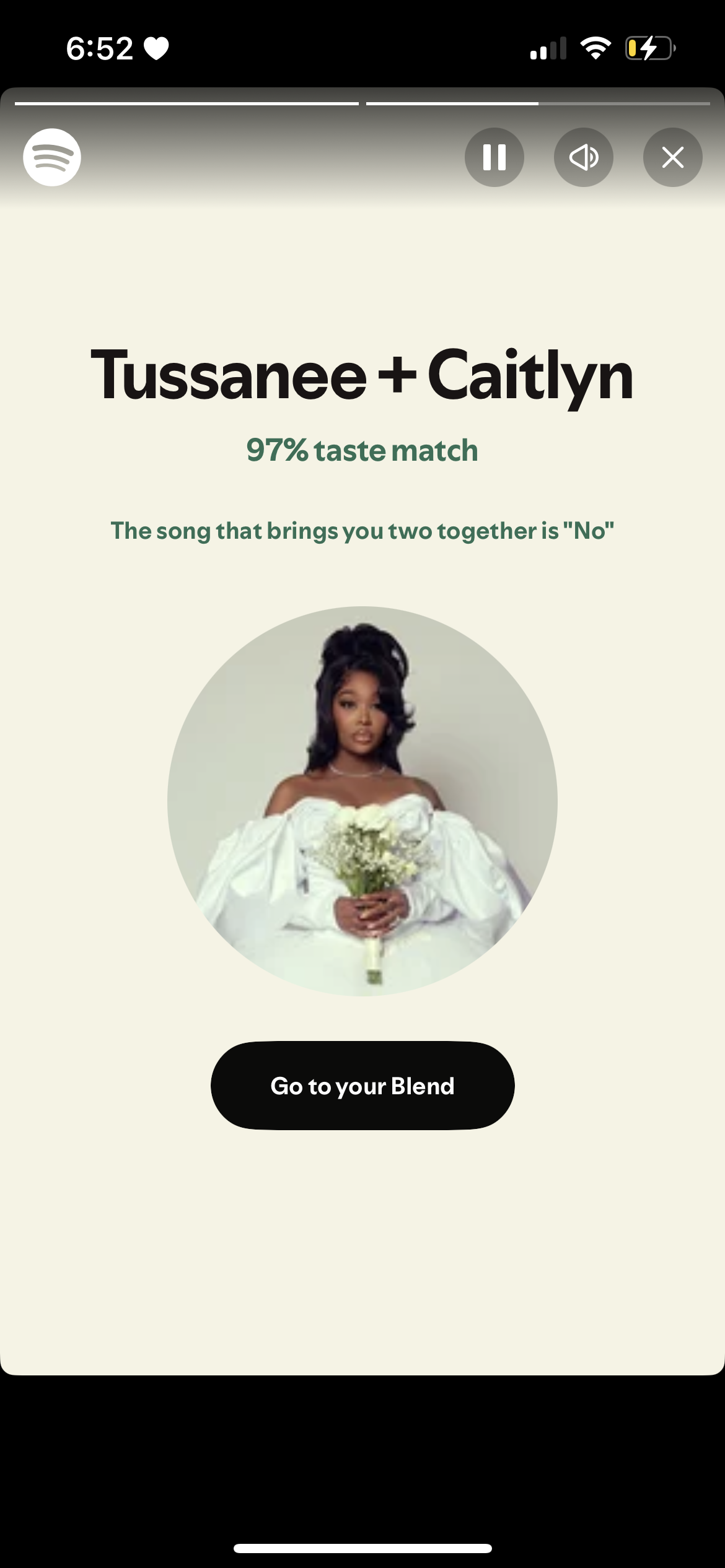
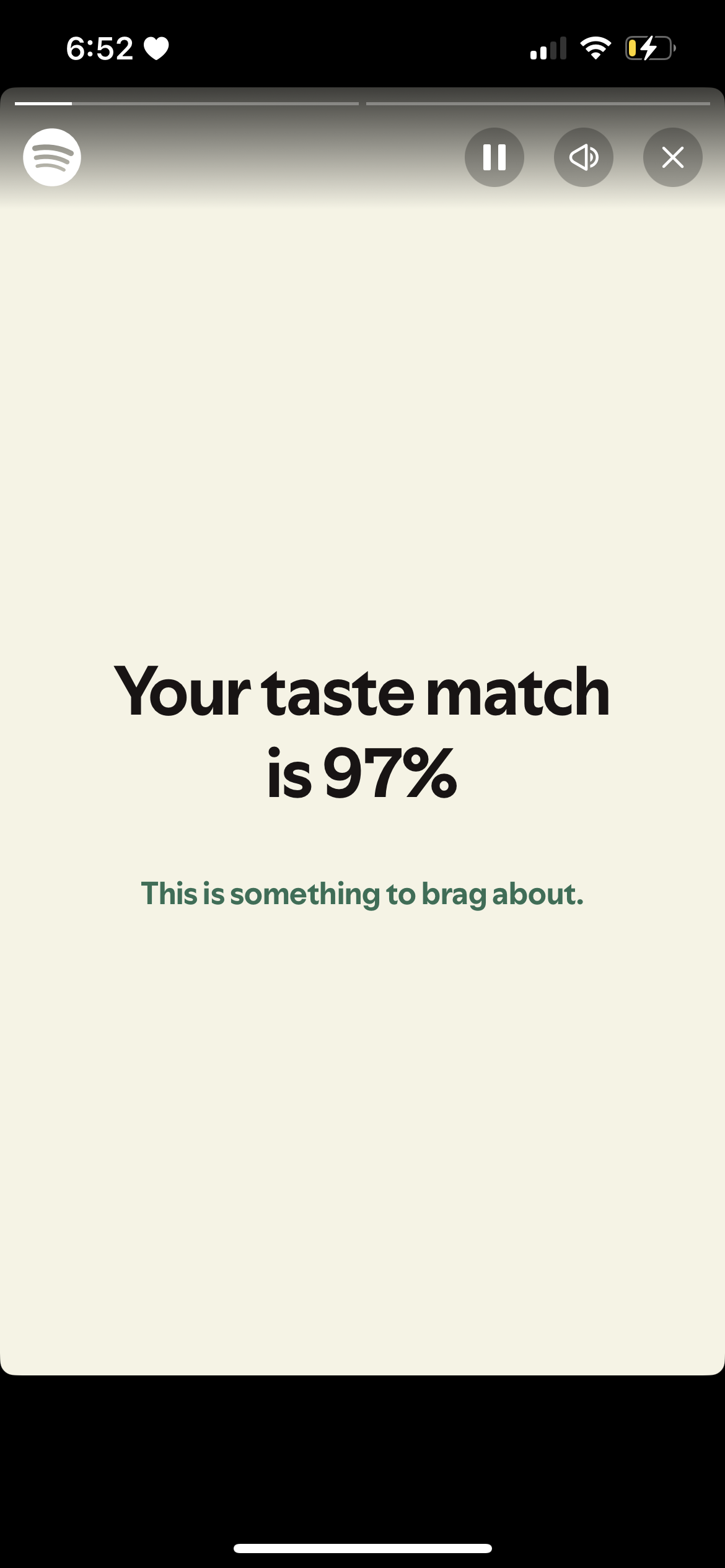
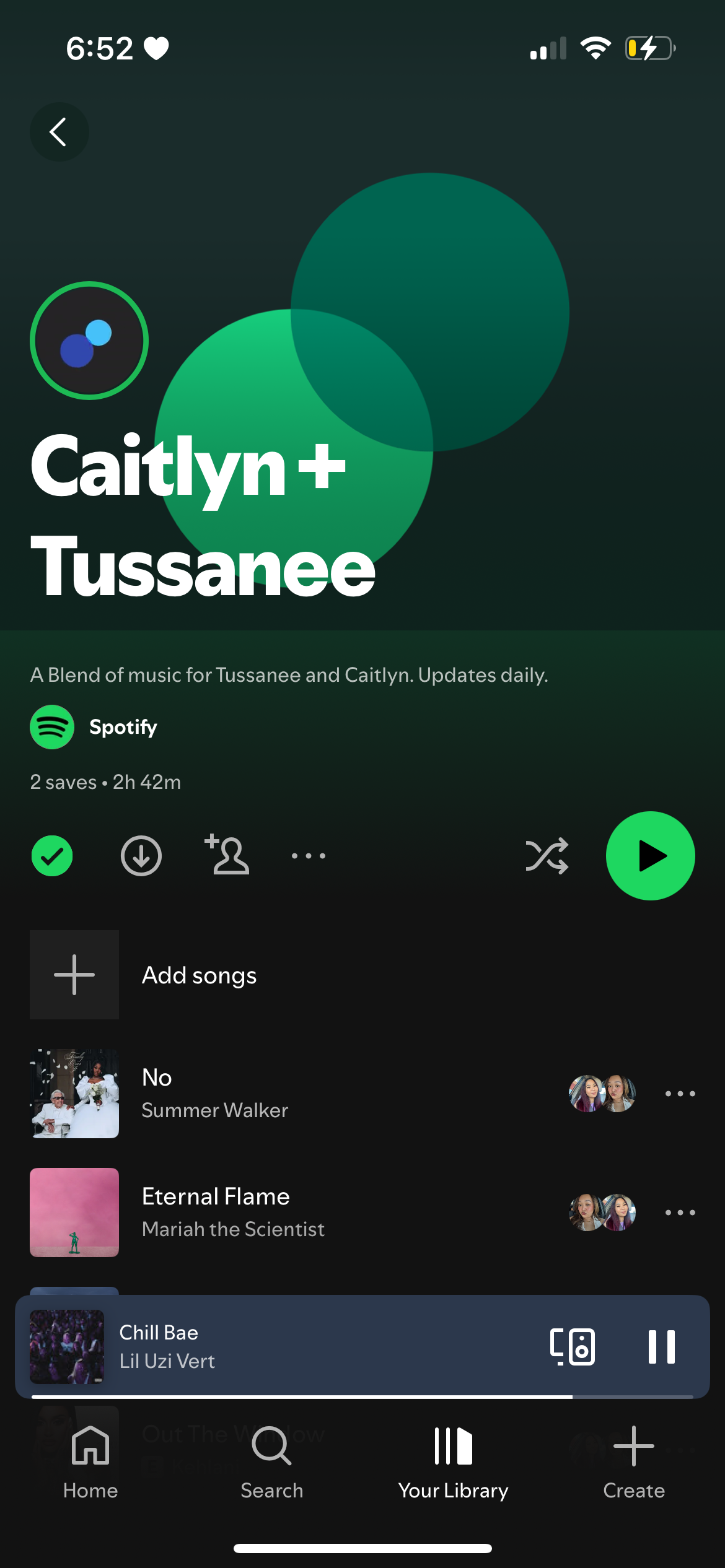
This helped us think: Shazam can let music come from people, not just recommendations
-
Depop makes discovery feel natural by letting users ‘like’ items and explore profiles. It mirrors how people discover unique items in real life, through others with similar taste.
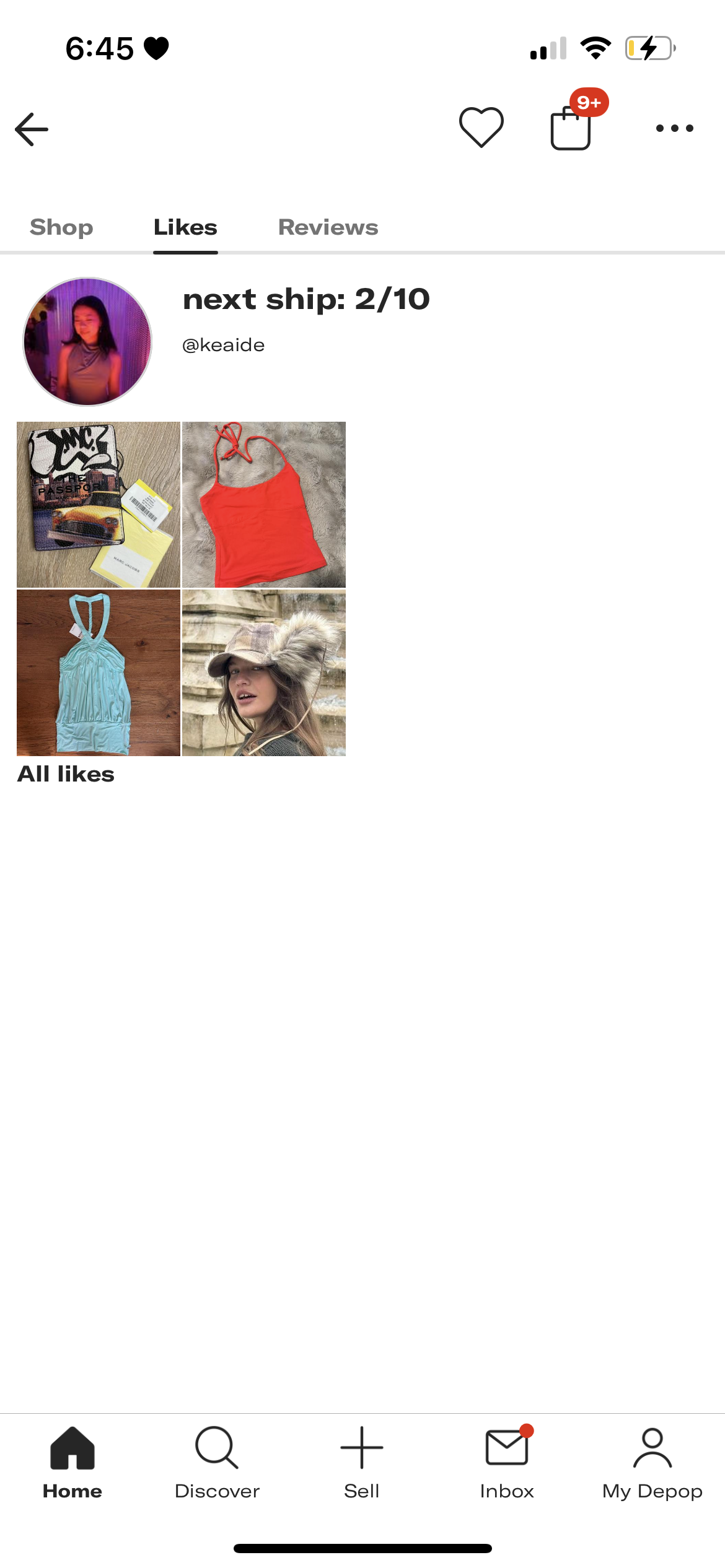
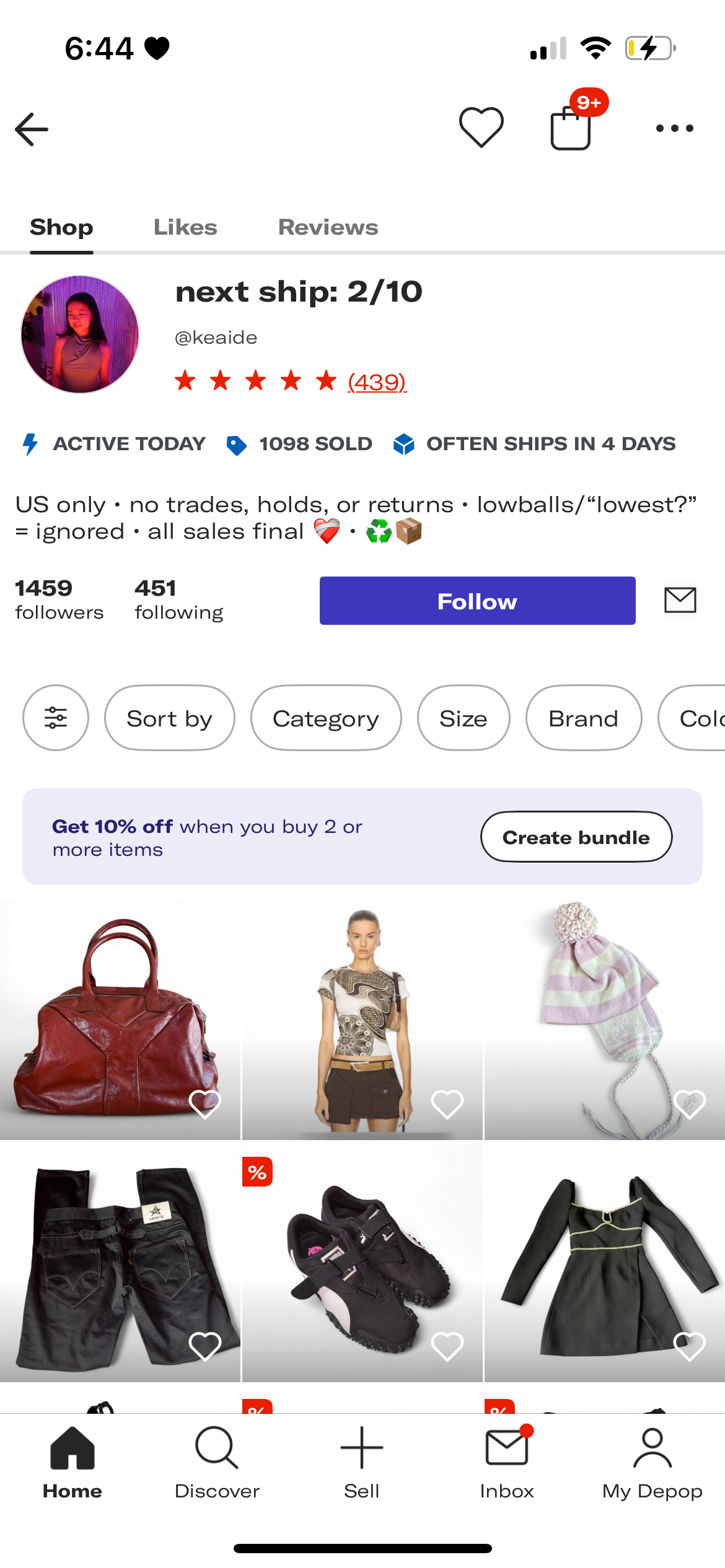
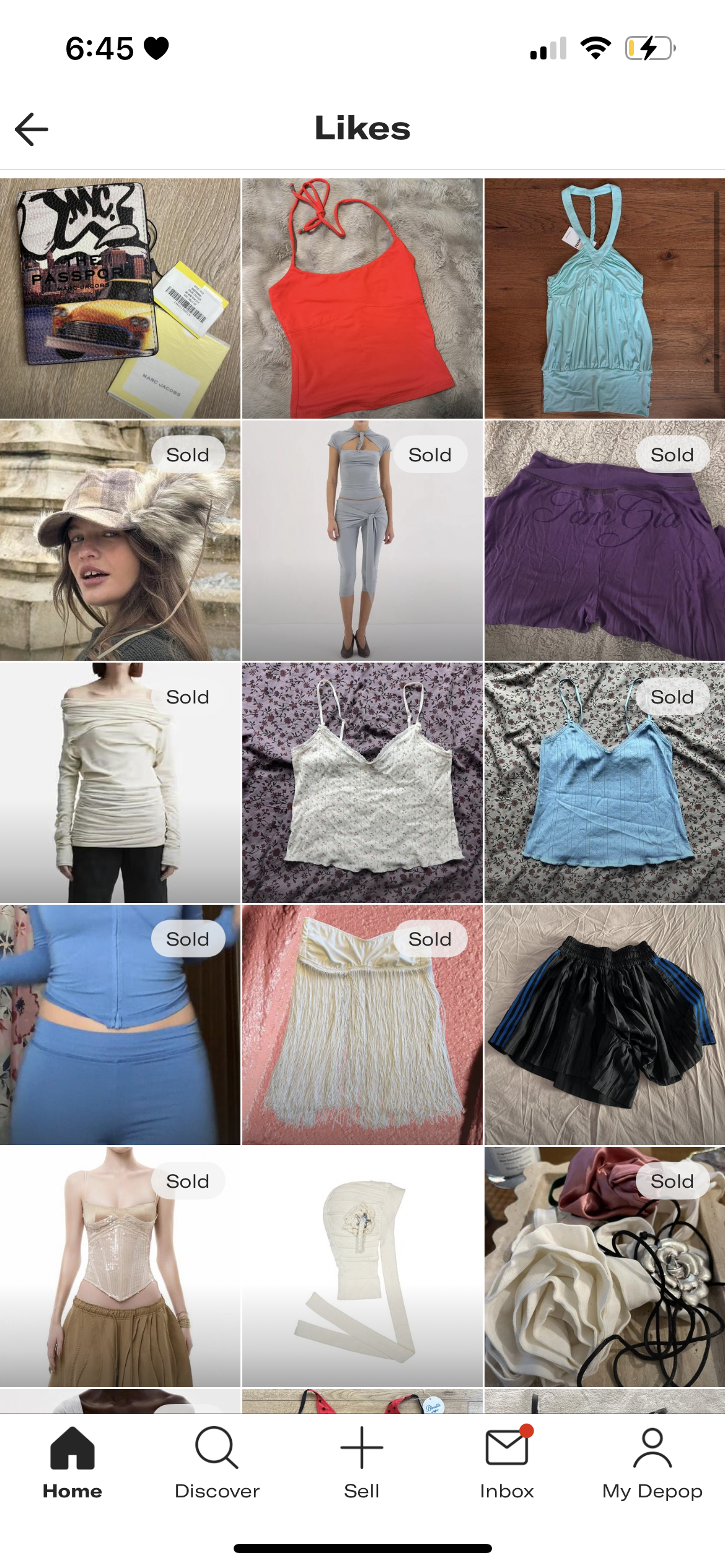
We saw a parallel in how music could be discovered the same way: by following people, not feeds.
-
Instagram profiles set a strong expectation for what a profile should include: a quick sense of who someone is.
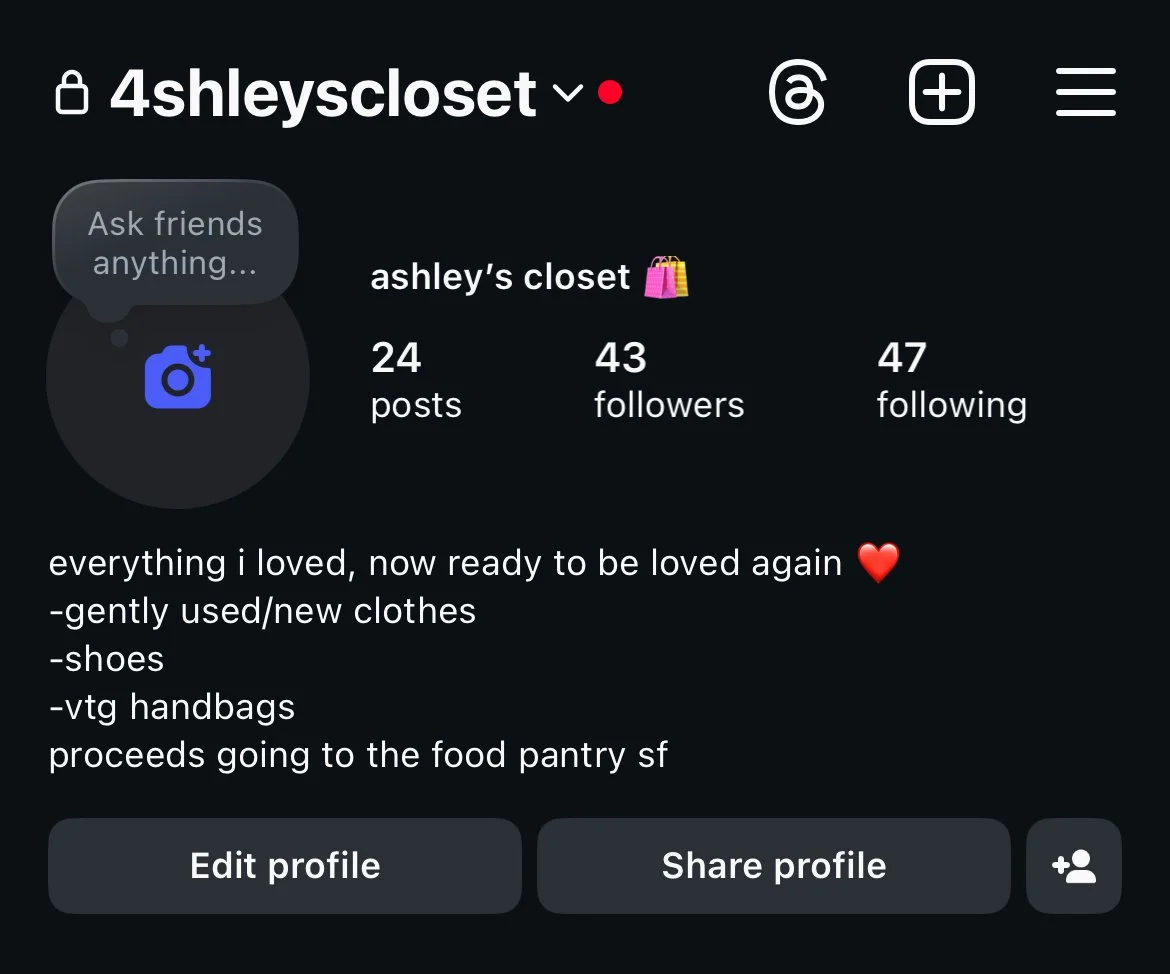
This helped guide what a music profile should show without overcomplicating things
Looking at these apps reinforced one idea-
people enjoy discovering things through other people.
Exploring Ideas
We quickly sketched ideas and combining the strongest ones into a single flow. From there, we refined the experience into simple screens that still feel like Shazam.
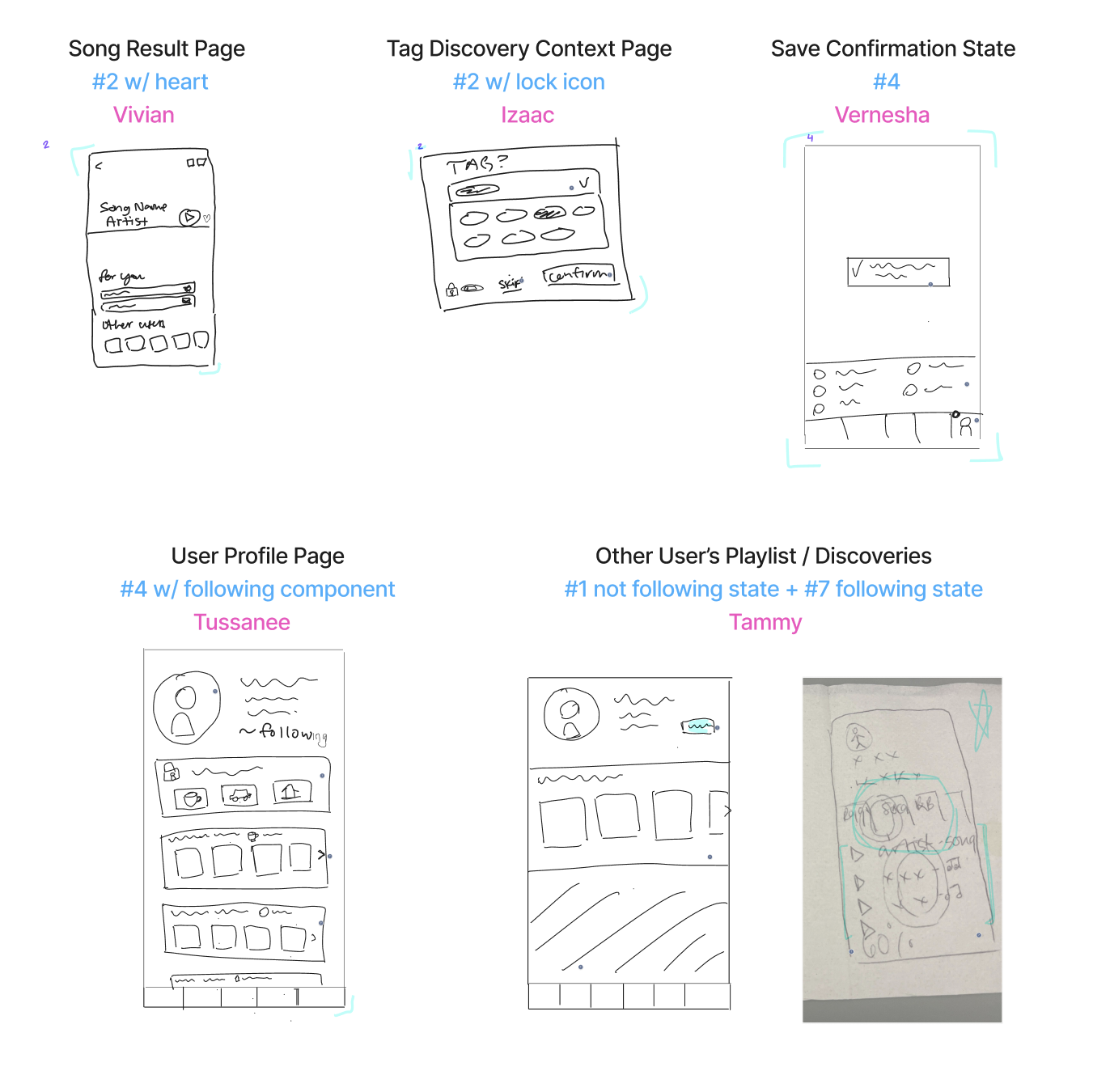
The goal wasn’t to redesign everything, it was to make the experience feel more thoughtful
How We Shaped the Experience
Instead of turning Shazam into a social network, we focused on:
Making music discovery feel shared
Keeping profiles lightweight and familiar
Designing with intention and simplicity
Instead of adding more features, we focused on smaller changes that add meaning.
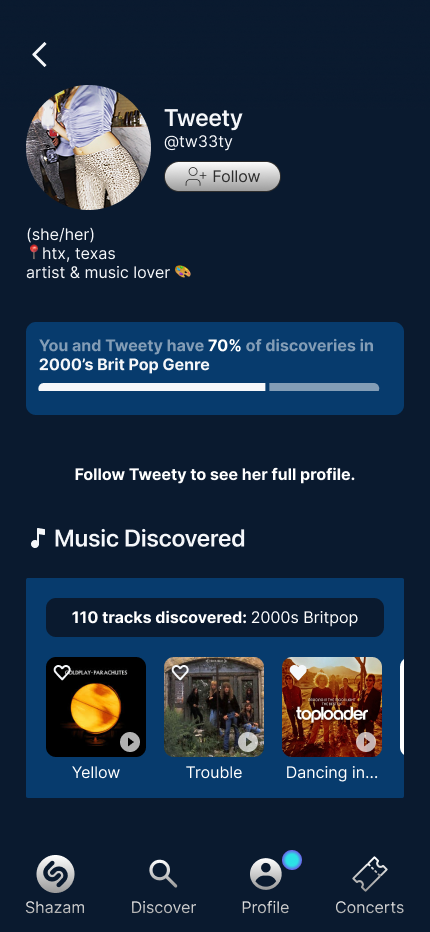
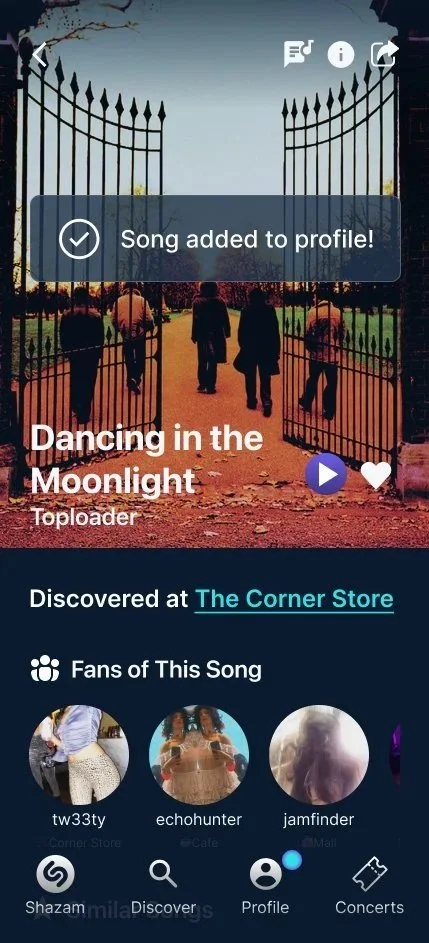
Letting music be discovered through people
Lightweight profiles help people discover music through others - the same way it happens in real life, without it turning into another social feed.
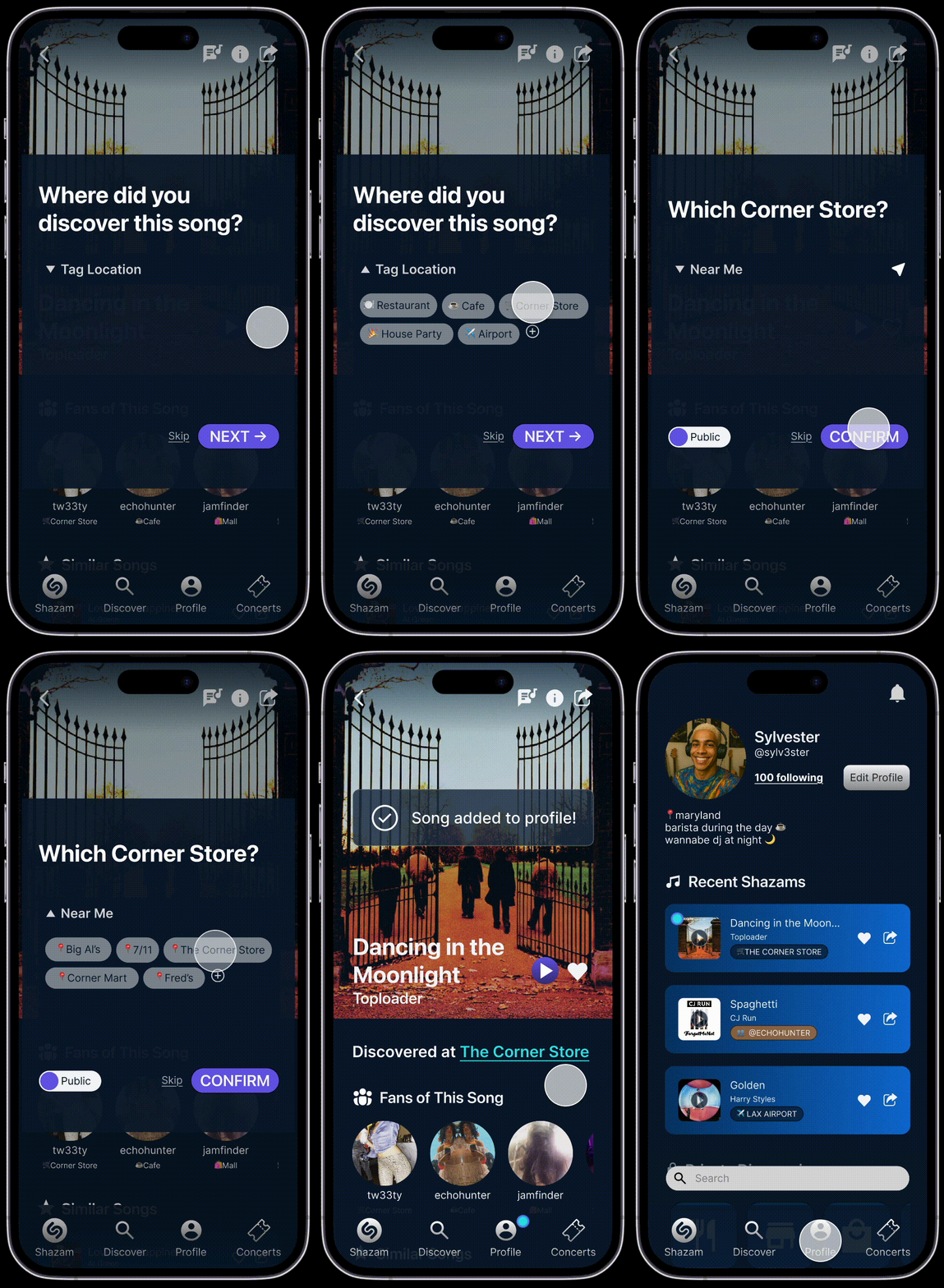
Giving the songs context
People can add a tag like “Corner Store,” “Airport,” or “Cafe”, and get even more specific by tagging the name of the actual place.
The song stays the same, but now it carries a moment with it
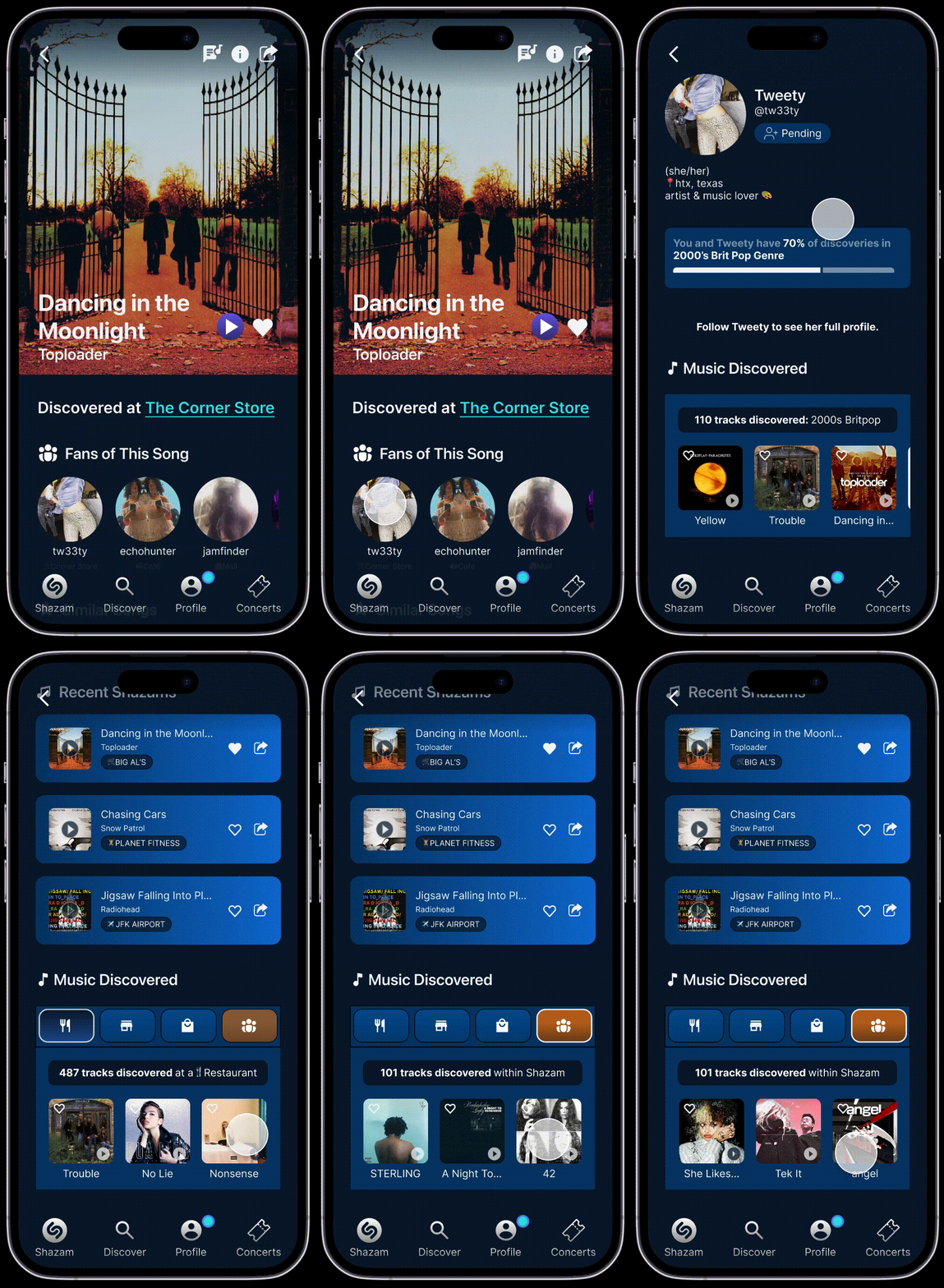
What we checked along the way
We made sure people could
Save a song with meaning by tagging a location
See how other people discovered the song
Explore music through people with similar taste
This became the foundation for the experience we continued to refine and test.
What Changed
Song history shifted from a list to a personal collection
Discovery felt less lonely by centering people, not just more songs
Music felt shared in a way that mirrors real-life discovery
What This Taught Me
People don’t need more features, they need experiences that respect how they actually live and remember things.
Good design isn’t about doing more, it’s about noticing what people already care about and making space for it
Working with a group on this project reminded me how much better ideas become when you build them alongside other people.
I really enjoy the prototyping phase of a project. Turning ideas into something tangible helped me think more clearly, spot issues early, and have better conversations with others.